
Kent’s Council Leader Backs Single Unitary Authority Model for Government Decision
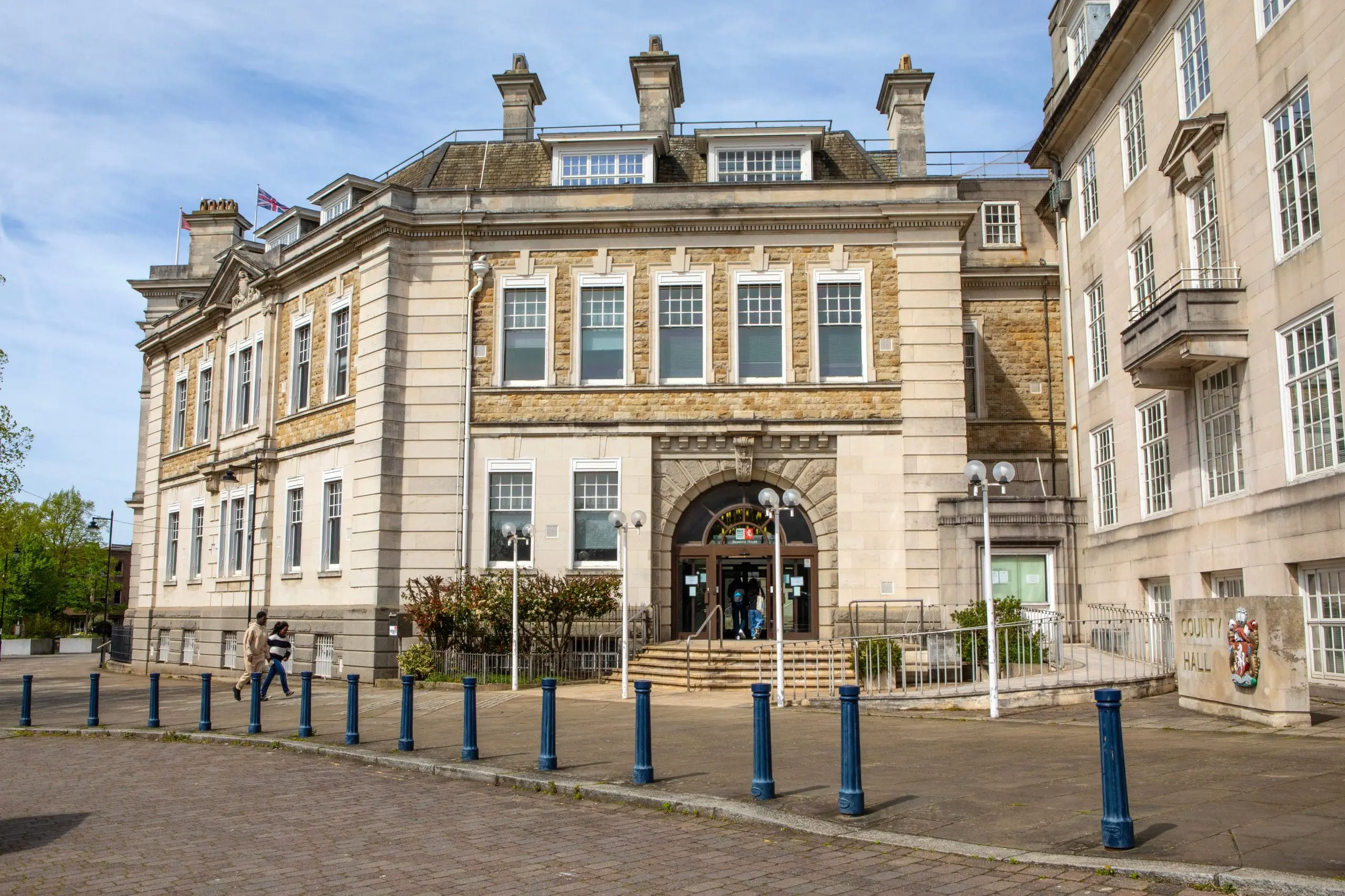
The Leader of Kent County Council has advocated for Option 1A—a single unitary council structure—as the most practical approach to reorganisation, should the changes proceed.
Kent’s local government faces significant restructuring, with five competing proposals currently under public consultation until 26 March 2026. The government will announce its preferred model in July 2026, followed by shadow elections on 6 May 2027 and the transition to new councils on 1 April 2028.
Option 1A proposes replacing the current two-tier system—comprising Kent County Council, Medway Council, and 12 district authorities—with a single unitary authority covering the entire county. This contrasts sharply with other options under consideration, which propose varying numbers of unitary councils.
The Leader’s position reflects a pragmatic assessment of the reorganisation’s unavoidable costs and disruption. Whilst expressing reservations about forced restructuring, the statement emphasises that Option 1A offers cost-effectiveness and operational stability compared to alternative models. The reasoning centres on avoiding the financial burden and service interruption associated with multiple mergers, instead consolidating all local government functions into one body.
The five options submitted by councils in November 2025 each build on the same evidence base, accepting that reorganisation will incur significant short-term expenses and disruption but promise long-term savings through eliminating duplicate services. Where proposals diverge is in their scale, governance structure, and implementation complexity.
Option 1A’s supporters argue that aligning with existing boundaries of Kent Police, Kent Fire and Rescue, and NHS structures creates a more coordinated framework for public services. This integration could theoretically reduce administrative fragmentation and improve service delivery.
Other councils have endorsed different models. Five councils—including Maidstone, Sevenoaks, and Tunbridge Wells—have preferred Option 3a, which proposes multiple unitary councils. Kent County Council’s backing for Option 1A represents one major voice in an ongoing debate about Kent’s governance future.
The consultation process follows the government’s February 2026 decision not to include Kent in its Devolution Priority Programme, a decision that disappointed council leaders who had sought devolved powers and combined authority status with an elected mayor.
Ministers will evaluate all five proposals, consult with stakeholders, and determine which model Kent will adopt. The decision will shape how local services—from waste collection to social care and housing—are administered across the county for decades to come.
Key Takeaways
- The Leader of Kent County Council supports Option 1A, a single unitary council model, as the most cost-effective approach to mandatory local government reorganisation
- Five competing proposals are under government consultation until 26 March 2026, with a final decision expected in July 2026
- New councils will begin operations on 1 April 2028, following shadow elections in May 2027
What This Means for Kent Residents
The reorganisation will change how councils deliver services, consolidating multiple authorities into fewer, larger bodies. Regardless of which model the government selects, residents will ultimately receive services from a single unitary authority rather than coordinating between county, district, and borough councils. The debate between competing options continues as the 26 March consultation deadline approaches, allowing the public to participate in shaping Kent’s governance structure.