

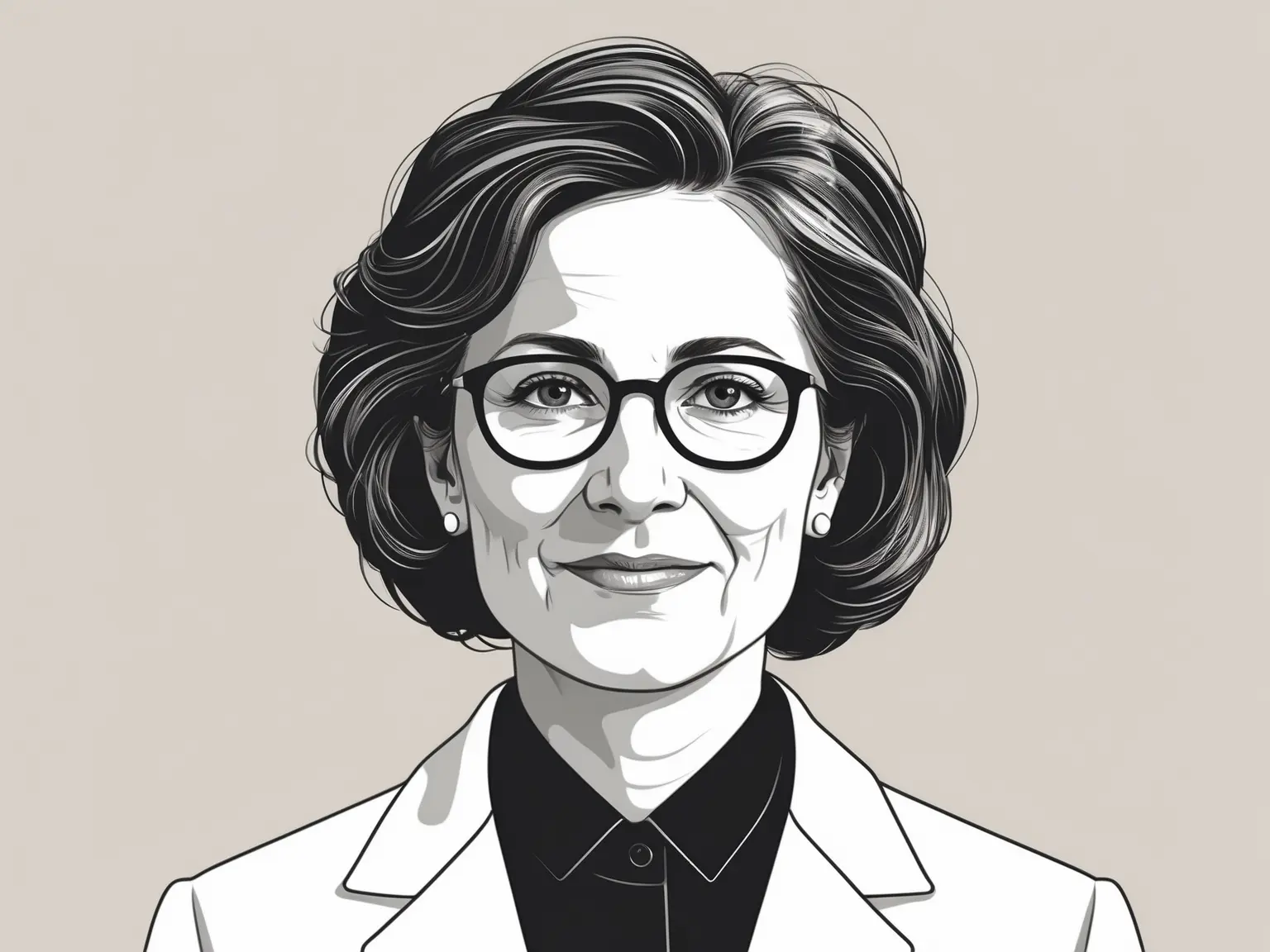
Pioneering paediatrician Pam Zinkin, who transformed child healthcare in newly independent Mozambique, has died aged 94, leaving a legacy spanning five decades of medical innovation and social advocacy.
Dr Pam Zinkin, a legendary paediatrician and NHS campaigner, passed away in February 2026 at the age of 94, leaving behind an extraordinary legacy of healthcare transformation across continents. Born in London in 1931, Zinkin embodied a rare combination of clinical excellence, fearless determination, and unwavering commitment to global health equity—qualities that would define her remarkable career.
After studying medicine at Leeds University and establishing herself as a consultant paediatrician at Great Ormond Street Hospital in London, Zinkin’s path took a transformative turn when political activism prompted her to look beyond British healthcare. In 1977, at an age when many professionals might consider retirement, she made an extraordinary decision: she would travel to Mozambique as a single mother with two sons to help rebuild a healthcare system devastated by post-colonial upheaval.
Rebuilding a Nation’s Health ServiceMozambique had just gained independence from Portugal two years before Zinkin’s arrival, and the consequences were severe. The country’s health system lay in ruins, with approximately 80 per cent of Portuguese doctors having departed following the handover of power. The vacuum left behind threatened an entire generation of children, with child mortality rates at the hospital in Maputo—the capital—reaching catastrophic levels.
Appointed head of paediatrics at the main hospital in Maputo, Zinkin faced both clinical and cultural challenges. The hospital saw approximately 8,000 child admissions annually, many arriving severely malnourished and suffering from tropical diseases such as malaria, cholera, tuberculosis and schistosomiasis. When she arrived, the mortality rate among these admissions stood at a staggering 30 per cent. What happened next demonstrated her clinical genius and innovative thinking.
Rather than imposing Western medical protocols unchanged, Zinkin recognised that successful healthcare required understanding local context and engaging families as partners in treatment. She introduced a practice that was revolutionary for the time: actively encouraging mothers and other family members to remain with their children throughout hospitalisation. This seemingly simple intervention had profound effects. Hospital staff, who had previously believed mothers “weren’t clean” and were “unhygienic,” received education in hygiene practices and nutritional principles. Within two years, mortality had fallen to 10 per cent, and within a further year, dropped to just 4 per cent—a reduction of 85 per cent from her arrival.
Beyond the immediate clinical improvements, Zinkin overhauled Mozambique’s entire paediatric medical curriculum, ensuring that teaching reflected local health challenges rather than irrelevant European models. This curriculum reform meant that newly trained doctors received education focused on the infectious diseases actually prevalent in their communities, not on conditions they would never encounter.
A Fearless Champion of Global HealthWhat distinguished Zinkin was her refusal to operate within narrow professional boundaries. Her work in Mozambique was never merely technical; it was rooted in a broader vision of how healthcare systems serve communities. As a single parent managing a demanding consultant position whilst raising two sons in a newly independent nation, Zinkin demonstrated the kind of resilience and dedication that inspired those around her. Her son Martin reflected that she was “absolutely fearless”—a woman who had essentially committed to rebuilding a nation’s paediatric services with minimal preparation and linguistic barriers.
Upon reluctantly returning to London in 1982, Zinkin became a consultant paediatrician at the Whittington Hospital in North London. Yet she never truly retired from her global mission. Throughout her later years, she served as a trustee and advisor to major humanitarian organisations including UNICEF, Save The Children, Medical Aid for Palestinians and Oxfam, lending her expertise in child development, disability care, and paediatric services in conflict zones.
NHS Advocate and Community LeaderZinkin remained a fierce advocate for the NHS throughout her life, campaigning passionately for healthcare as a right accessible free at the point of use. Into her 90s, she participated in NHS picket lines, attended political marches, and engaged in community activism through the Islington Pensioners Forum. Her commitment to social justice never wavered, reflecting her belief that healthcare excellence must go hand in hand with equitable access.
Beyond medicine, Zinkin lived a full life. She continued learning Mandarin and piano into her 90s, performed with the Sadler’s Wells Company of Elders, and regularly swam at Hampstead Ponds. She is survived by her two sons and a granddaughter.
Source: @bmj_latest
Key Takeaways
- Dr Pam Zinkin reduced child mortality at Maputo’s main hospital from 30 per cent to 4 per cent through innovative clinical practice and family engagement in care
- She transformed Mozambique’s paediatric curriculum to address local disease patterns rather than imported European medical models
- Her career spanned both cutting-edge NHS practice and pioneering international humanitarian work
- She remained an active NHS campaigner and community advocate throughout her life, demonstrating that professional excellence and social activism are complementary
What This Means for Kent Residents
Pam Zinkin’s legacy reminds us that healthcare excellence extends beyond individual hospitals or nations. Her work demonstrates how the NHS principles—free care, clinical innovation, and commitment to health equity—can be applied globally. For Kent residents, her story underscores the importance of supporting international health programmes and healthcare workers. If you’re interested in supporting global child health initiatives or NHS campaigns, organisations such as Save The Children and Medical Aid for Palestinians welcome volunteers and donors. Your local GP or NHS trust can provide information about community health advocacy opportunities in Kent and Medway.