


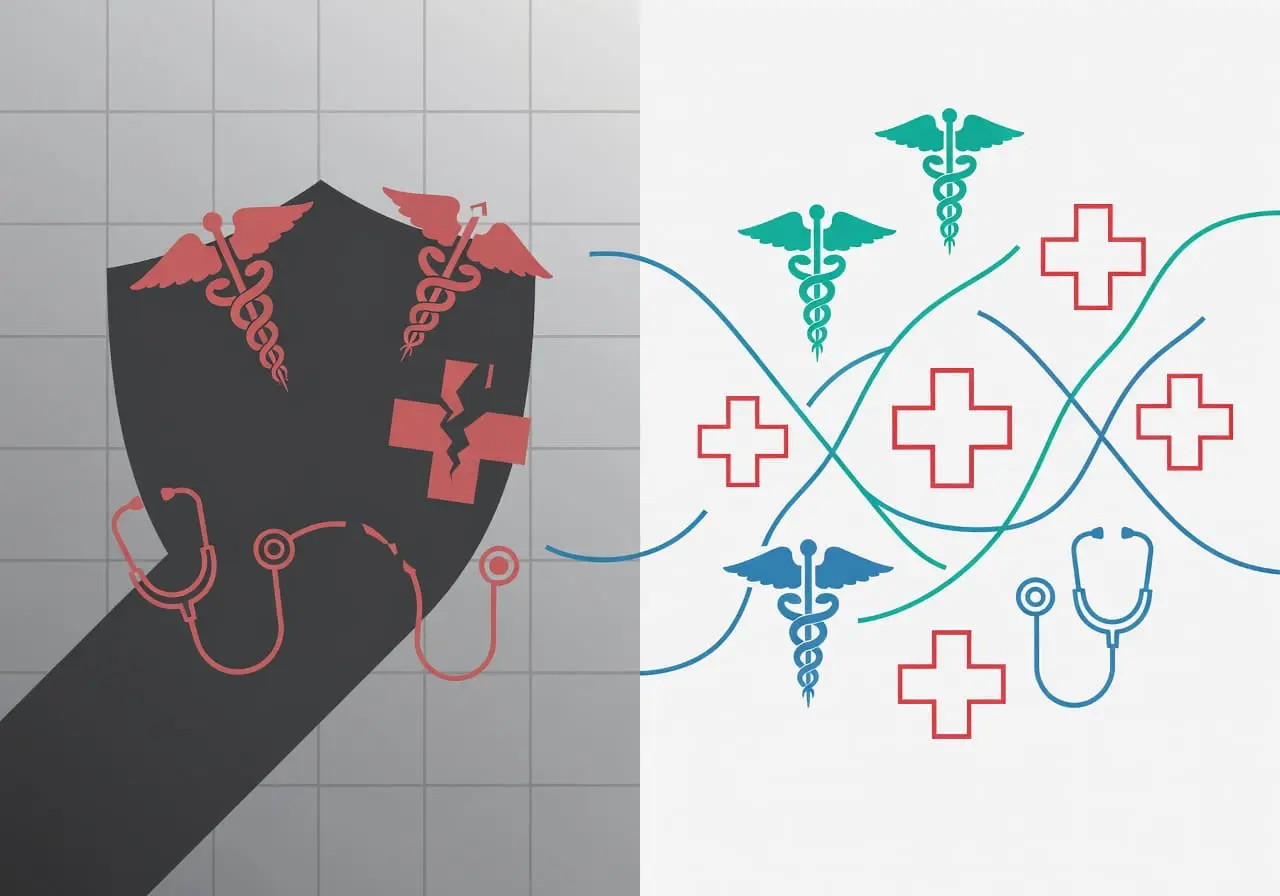
Healthcare systems depend on patients feeling safe enough to seek care—a principle Minnesota’s medical crisis illustrates starkly.
Minnesota is experiencing an unprecedented public health emergency as fear of immigration enforcement causes patients to avoid hospitals and clinics, often with life-threatening consequences. Healthcare providers across the state are reporting cancellation and no-show rates as high as 60%, with patients postponing urgent surgeries, rationing insulin, and avoiding emergency departments even during medical emergencies.
The crisis began when the US government dramatically escalated immigration enforcement operations across Minnesota in recent months, deploying approximately 3,000 Immigration and Customs Enforcement (ICE) and federal agents—one of the largest enforcement efforts in recent years. Armed agents have conducted raids in residential neighbourhoods, outside schools, and near healthcare facilities, fundamentally altering patient behaviour and eroding trust in medical institutions.
The Clinical ImpactThe healthcare consequences are severe and measurable. Physicians in Minnesota report emergency departments receiving fewer patients presenting with acute conditions, whilst primary care clinics are seeing missed follow-up appointments for chronic disease management. These delayed presentations are creating a dangerous second-order effect: patients who would normally seek preventative care are instead presenting far sicker, requiring more intensive and expensive interventions.
Dr Roli Dwivedi, a family medicine physician at the University of Minnesota, has documented cases exemplifying this pattern. She describes a pregnant mother who missed her prenatal checkup and later refused hospital transport during active labour, fearing detention during the ambulance journey. Another patient ran out of insulin but was too afraid to leave home, resulting in infected diabetic wounds.
The impact extends beyond undocumented immigrants. Legal immigrants and US citizens in mixed-status families are also cancelling appointments, worried about encounters en route to healthcare facilities or during treatment. This fear-driven healthcare avoidance affects entire communities, not just individuals with uncertain immigration status.
Workforce PressuresA secondary crisis is emerging within the healthcare workforce itself. Minnesota, like much of the United States, depends heavily on immigrants for clinical and non-clinical roles. Immigration processing suspensions and visa restrictions are preventing trained healthcare workers from obtaining legal status, creating staffing shortages that compound the crisis caused by fearful patients avoiding the system. This creates a vicious cycle: fewer patients seeking care and fewer workers available to provide it.
Broader Public Health ConcernsClinicians involved in the response have raised concerns extending beyond the immediate crisis. When patients avoid healthcare systems, they miss vaccinations, postpone treatment for infectious diseases, and go untreated for communicable conditions. Measles, tuberculosis and other infectious diseases do not consider immigration status—healthcare avoidance among any population creates risks for entire communities.
The situation mirrors patterns observed during the COVID-19 pandemic, when delayed routine care led to missed cancer diagnoses, poorly managed chronic conditions, and preventable complications that only became apparent when patients were far sicker and more difficult to treat. Physicians warned that the costs—both human and economic—of such deferral are substantial.
Community ResponseIn response to the crisis, some healthcare organisations have mobilised emergency measures. Inspire Change Clinic in Minneapolis has overseen the mobilisation of over 150 volunteer doctors delivering home-based care to patients avoiding traditional healthcare settings. Since December 2025, the clinic has responded to 135 calls and assisted 100 patients through home visits and triaged access to lifesaving care. Whilst this emergency response addresses immediate crises, healthcare professionals emphasise that such emergency models are not sustainable solutions.
Several US states have passed legislation attempting to protect patients, including bills penalising hospitals for sharing patient information regarding citizenship status with federal authorities and barring ICE agents from entering private areas in medical facilities. Minnesota’s Attorney General has clarified Fourth Amendment protections distinguishing private from public spaces in medical facilities. However, enforcement of such protections remains uncertain, particularly regarding ICE officers who have been reported disregarding existing laws and policies.
Implications for Healthcare SystemsThe Minnesota crisis illustrates fundamental principles applicable to any healthcare system: patients must feel safe seeking care. A climate of fear undermines the essential function of a health system and puts entire communities at risk. Medical professionals emphasise that policies influencing healthcare access have measurable health consequences—delayed diagnoses, worsening chronic disease management, and preventable emergencies.
Physicians organisations across Minnesota have issued joint statements condemning policies and actions that restrict healthcare access, affirming their commitment to health and wellbeing of all patients regardless of immigration or citizenship status.
Source: @bmj_latest
Key Takeaways
- Healthcare cancellation and no-show rates in Minnesota have reached 60% as fear of immigration enforcement drives patients to avoid medical care
- Delayed presentations are resulting in more severe illness requiring intensive interventions when patients finally seek help
- The crisis affects not only undocumented immigrants but also legal immigrants and US citizens in mixed-status families
- Staff shortages from immigration processing suspensions compound the impact of patient avoidance
- Communicable disease risks increase when any population group avoids healthcare systems
What This Means for Kent Residents
Whilst this crisis is unfolding thousands of miles away in the United States, it highlights principles directly relevant to the NHS and British healthcare. The underlying lesson—that patients must trust they can access healthcare safely without fear of enforcement or discrimination—is fundamental to how healthcare systems function effectively.
For Kent residents, this serves as a reminder of the importance of maintaining healthcare environments where all patients feel welcome and safe seeking care. The NHS’s founding principle of providing healthcare regardless of personal circumstances remains essential to its function as a public health system. If you have concerns about accessing NHS services or need support, services like Kent and Medway NHS Trust remain committed to providing care to all patients regardless of background. GP practices and NHS 111 remain available to all who need medical advice.