


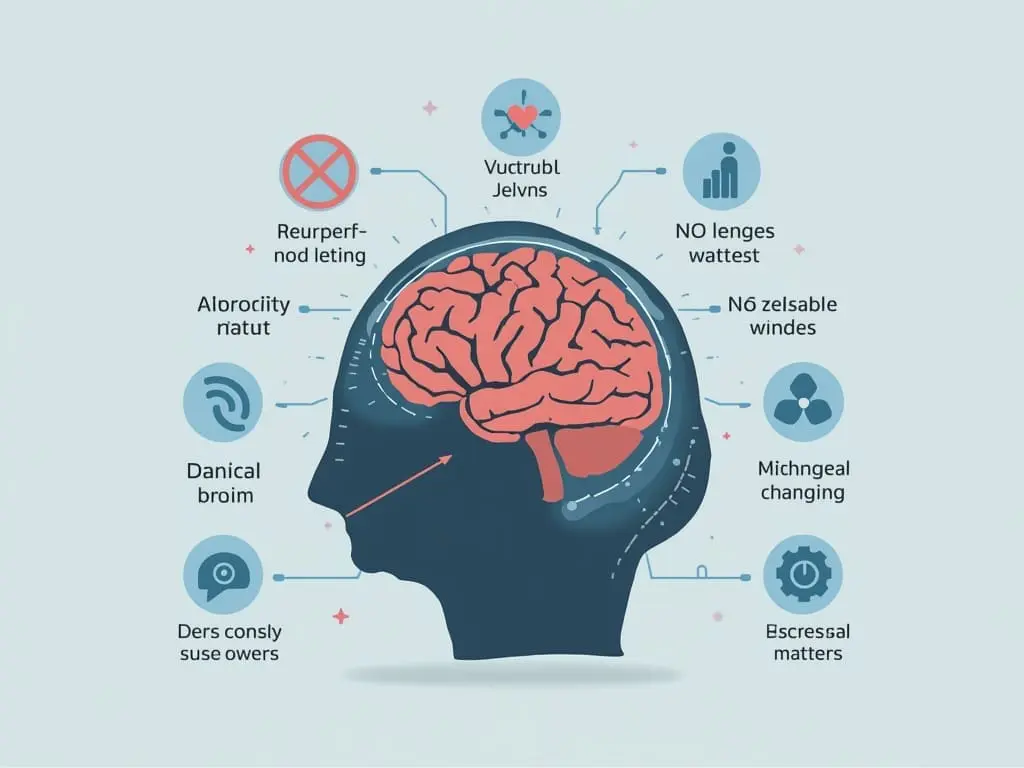
Emerging research shows that a history of psychological trauma may significantly contribute to chronic pain in some patients—a connection that could transform how healthcare professionals approach pain management.
Chronic pain affects millions of people across the UK, yet for many sufferers, traditional medical explanations and treatments fall short. Now, growing evidence suggests that psychological trauma may play a substantial role in developing and maintaining long-term pain conditions—a finding that could reshape how clinicians and patients approach pain management together.
The connection between trauma and chronic pain is not new to researchers, but recent studies underscore just how prevalent this relationship is. Research indicates that people with chronic pain typically have at least double the rate of previous trauma compared to the general population. More strikingly, studies show that up to 90% of women with fibromyalgia and up to 60% of patients with arthritis report experiencing trauma at some point in their lives. Between 15% and 35% of patients with chronic pain also have Post Traumatic Stress Disorder (PTSD)—a condition characterised by persistent psychological distress following a traumatic event.
This co-occurrence is not coincidental. Recent research from the University of Aberdeen provides evidence of the multifaceted health consequences of childhood adverse experiences, showing the greatest excess risks in relation to mental ill-health and severe pain. The findings challenge simplistic explanations of chronic pain and highlight the importance of considering psychological factors in pain management strategies.
How trauma affects the nervous systemThe mechanism linking trauma to chronic pain operates primarily through the nervous system. When a person experiences trauma, their nervous system can become overreactive, becoming stuck in a state of persistent stress and heightened arousal. This same overactivity occurs in chronic pain conditions, creating a powerful biological link between the two experiences. Research suggests that patients with a history of trauma may be more predisposed to central sensitisation—a condition where the nervous system becomes hypersensitive to pain signals, amplifying pain perception even when injury is minimal or absent.
Beyond nervous system activation, trauma can contribute to chronic pain through several psychological pathways. Depression and anxiety commonly follow trauma and frequently accompany chronic pain. When patients experience negative mental states, they may neglect self-care and fail to actively manage their pain, creating a cycle that worsens outcomes. Anxiety appears to be particularly significant, as research indicates it is the biggest factor linking PTSD and chronic pain. Anxiety increases hyperarousal—a state of heightened alertness—which makes chronic pain patients more likely to develop catastrophising behaviours, where they think negatively and excessively worry about their pain. Fear avoidance is another common pattern, where patients avoid physical activity for fear of worsening symptoms, ironically often leading to increased pain and disability.
Research has also identified “mental defeat”—a sense of psychological surrender or giving up—as a significant mediator in the relationship between childhood trauma and adult chronic pain severity. This psychological state appears to form an indirect pathway that helps explain how early trauma translates into later pain problems.
Neurobiological mechanismsThe physical pathways underlying trauma-related chronic pain are becoming clearer through neuroscience research. One particularly compelling finding involves pain flashbacks—vivid memories of pain experienced during the original trauma. Research shows that 49% of patients diagnosed with PTSD experience pain flashbacks, with their intensity associated with the extent of pain at the time of the trauma. These pain flashbacks suggest that some cases of unexplained, treatment-resistant chronic pain may originate in psychological trauma rather than ongoing physical injury.
At the molecular level, research points to changes in the nervous system’s chemistry. High comorbidity between trauma and chronic pain may relate to reductions in neuropeptide Y and GABAergic neuroactive steroids—neurochemicals involved in pain regulation and stress response. Pain can trigger memories and re-experience trauma by activating the amygdala through specific neural pathways, affecting pain sensitivity by increasing molecular substrates in the spinal cord that facilitate pain transmission throughout the body.
The importance of taking a comprehensive approachThe implications of this research are substantial. When chronic pain patients also experience PTSD or have trauma histories, they typically report increased levels of pain severity, pain-related disability and higher opioid use. They also report poorer quality of life and increased psychiatric comorbidity compared to those with chronic pain alone.
This underscores why the British Medical Journal’s emphasis on keeping an open mind about factors contributing to chronic pain is so valuable. Healthcare professionals who recognise the trauma-pain connection can adopt more integrated approaches to treatment. Rather than viewing chronic pain and psychological trauma as separate issues, an integrated model acknowledges their interconnection and addresses both simultaneously through multidisciplinary care.
For patients, this perspective can be validating—it explains why their pain persists despite negative imaging results or successful surgeries. It also opens avenues for treatment combining pain management with trauma-informed psychological therapies, potentially offering greater relief than addressing pain alone.
Source: @bmj_latest
Key Takeaways
- People with chronic pain have at least double the rate of previous trauma compared to the general population, with up to 90% of women with fibromyalgia reporting trauma histories
- Trauma causes nervous system overactivity similar to that seen in chronic pain, whilst anxiety and mental defeat form psychological pathways connecting the two conditions
- Pain flashbacks—vivid memories of trauma-related pain—can produce real physical pain sensations, suggesting some treatment-resistant chronic pain originates in psychological trauma rather than ongoing injury
What This Means for Kent Residents
For Kent residents managing chronic pain, this research suggests the value of discussing trauma history with healthcare providers. If you experience both chronic pain and trauma symptoms, ask your GP about referrals to integrated pain management services that address both psychological and physical aspects of pain. Kent and Medway NHS Trust provides pain management services across the region, and your GP can help arrange assessment. The NHS also offers trauma-informed psychological therapies through Talking Therapies for adults. Recognising the trauma-pain connection doesn’t mean your pain is “all in your head”—rather, it reflects how deeply psychology and physiology are intertwined, and how comprehensive care addressing both elements may offer better outcomes for your individual situation.