
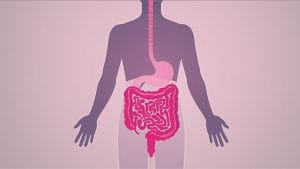
A major clinical trial published in the New England Journal of Medicine suggests that patients who have had polyps removed during a bowel examination may not need follow-up checks as frequently as current guidelines recommend.
The New England Journal of Medicine has published findings from the EPoS II trial, a study examining how often people should return for a repeat colonoscopy (a camera examination of the large bowel) after the removal of adenomas (non-cancerous growths that can, in some cases, develop into bowel cancer). The trial looked specifically at whether shorter intervals between checks actually reduce the risk of colorectal cancer — cancer of the colon or rectum — compared with longer ones.
The journal also published an accompanying editorial, titled When More Is Not Better — Colonoscopy Surveillance after High-Risk Adenomas, which examines the trial’s impact on patients considered at higher risk after adenoma removal. A separate correspondence piece on colorectal cancer appears alongside both.
The research is relevant to the many thousands of people in England who enter bowel cancer surveillance programmes each year after polyps are found and removed. Current NHS guidance on follow-up intervals varies depending on the number and type of adenomas found — but studies like EPoS II feed directly into how those guidelines are reviewed and updated by bodies such as the British Society of Gastroenterology.
Bowel cancer is the fourth most common cancer in the UK, according to the NHS. Screening and surveillance programmes exist precisely to catch changes early, but the EPoS II findings raise questions about whether more frequent examinations always translate into better outcomes — or whether they carry unnecessary burden and risk for patients.
Anyone with concerns about bowel symptoms or their surveillance schedule should speak to their GP or call NHS 111.
Source: @NEJM