
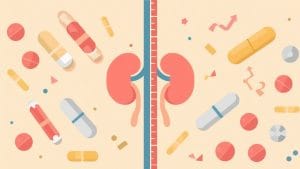
New BMJ research suggests two common type 2 diabetes medicines could slow kidney damage — but only in patients who already show signs of kidney stress.
Two drug types used to treat type 2 diabetes — GLP-1 receptor agonists and SGLT-2 inhibitors — may also help slow the decline of kidney function, according to new research published in the BMJ. But the benefit appears to apply only to patients who have a condition called albuminuria, where abnormal amounts of protein leak into the urine — an early warning sign that the kidneys are under strain.
The BMJ research found little evidence of kidney benefit in people with type 2 diabetes who do not have albuminuria. That distinction matters, because it suggests the drugs are not a blanket protection for all diabetes patients — their usefulness for kidneys may depend on whether that underlying kidney stress is already present.
Both drug classes are already widely prescribed. GLP-1 receptor agonists — which include medicines such as semaglutide — work partly by mimicking a gut hormone to regulate blood sugar and appetite. SGLT-2 inhibitors work by causing the kidneys to flush excess glucose out through urine. Kidney disease (medically known as diabetic nephropathy) is one of the most common long-term complications of type 2 diabetes, affecting a significant proportion of patients over time.
The findings add to a growing body of evidence around the wider effects of these drug classes beyond blood sugar control. So whether this shifts prescribing practice in Kent and across the NHS will depend on how clinical guidelines respond to the evidence.
Anyone with type 2 diabetes who has concerns about their kidney health should speak to their GP rather than adjusting their medication on the basis of research findings alone.
Key information
- Speak to your GP if you have type 2 diabetes and are concerned about kidney function or your current medication
- NHS 111 is available 24 hours a day for non-emergency health queries — call 111 or use the online service
- Albuminuria is detected through a routine urine test — your GP can arrange this if it has not been checked recently
Source: @bmj_latest
Diabetes Drugs May Help Protect Kidneys, Study Finds Quiz
5 questions