
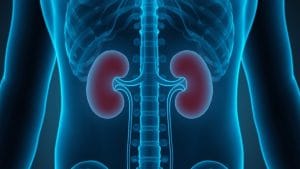
A new study published in the BMJ found that adults with a serious cancer-related condition called tumour lysis syndrome who received early rasburicase treatment had around one third lower risk of acute kidney injury requiring dialysis or death, compared with those who received delayed or no treatment.
Tumour lysis syndrome (TLS) is a potentially life-threatening condition that can occur when cancer cells break down rapidly — often after chemotherapy — releasing their contents into the bloodstream and putting severe strain on the kidneys. Rasburicase is a medicine used to reduce uric acid levels in the blood, which is one of the main drivers of kidney damage in TLS. The BMJ study found that starting this treatment early made a measurable difference to patient outcomes.
According to the study, patients who received rasburicase promptly were about a third less likely to develop acute kidney injury (sudden loss of kidney function) severe enough to need kidney replacement therapy — such as dialysis — or to die, compared with those for whom treatment was delayed or not given at all.
TLS most commonly affects people being treated for fast-growing blood cancers such as leukaemia and lymphoma. It is not a condition the public needs to monitor for directly — it is managed in hospital settings by specialist teams. But the findings are relevant to how oncology (cancer treatment) services prioritise and time interventions after chemotherapy begins.
The BMJ is a peer-reviewed medical journal. Its findings inform clinical practice but do not constitute individual medical advice.
Anyone concerned about symptoms during cancer treatment should contact their hospital care team directly, or call NHS 111 for guidance. In an emergency, dial 999.
Source: @bmj_latest
Early Treatment Linked to Lower Risk of Kidney Failure in Cancer Complication, BMJ Study Finds Quiz
5 questions