
Folkestone & Hythe District Council is consulting the public on a revised draft Licensing Policy that will govern how alcohol sales, late-night food and entertainment venues are regulated across the district for the next five years.
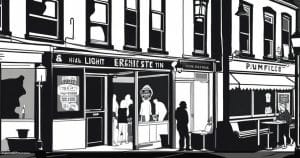
Picture a Friday night in Folkestone town centre. The bars are filling up, a live band is warming up somewhere along the high street, and a queue is forming outside a late-night kebab shop. Who decides how late those places can stay open, what conditions they operate under, and how complaints get handled? The answer, in large part, is a document most residents have never heard of — the Statement of Licensing Policy.
Folkestone & Hythe District Council has now published a revised draft of that policy for the period 2026 to 2031, and it wants to hear what people think.
What the Policy Actually Does
The Statement of Licensing Policy sets out how the council approaches decisions on licences for pubs, bars, restaurants, clubs, late-night takeaways, off-licences, supermarkets and entertainment venues across the district. Think of it as the rulebook that sits behind every application to sell alcohol or put on a live music night — from a corner shop in New Romney to a seafront bar in Folkestone.
The draft policy covers the sale of alcohol both on and off premises, late-night hot food and drink, and regulated entertainment including live and recorded music, dancing and film screenings. It applies to premises licences, club premises certificates and temporary event notices across the whole of Folkestone & Hythe — including Hythe, Lydd and the district’s rural communities, not just the larger town centres.
Everything in the policy is built around four statutory licensing objectives set out in the Licensing Act 2003: prevention of crime and disorder; public safety; prevention of public nuisance; and protection of children from harm. Any business applying for a licence, or any resident objecting to one, will have their case assessed against those four tests.
Why the Council Is Updating It Now
The current policy has been running since 2021. Five years is the standard review cycle under the Licensing Act 2003, so the council is legally required to produce an updated version. But it’s not just a box-ticking exercise.
According to the council’s Licensing Act Committee report, the revised draft reflects changes in national Home Office guidance, local experience gained since 2021, and shifts in how the district’s night-time economy has developed. The council has also produced an easy-read edition of the draft — a practical step aimed at making the consultation accessible to residents with learning disabilities, lower literacy or other access needs.
The council frames the review as an opportunity to support a well-managed night-time economy across Folkestone & Hythe, working in partnership with Kent Police, Kent Fire & Rescue Service and local health bodies to promote the licensing objectives.
The Case For — and the Concerns
Supporters of a thorough policy update argue it gives the council clearer tools to address issues that have emerged since 2021 — whether that’s noise complaints from residents near beer gardens, concerns about late-night disorder, or questions about how outdoor entertainment events are managed. A clear, modern policy also gives licence applicants a transparent set of expectations, which can smooth the application process for businesses investing in the district.
But not everyone will be satisfied. Some residents — particularly those living near busy licensed premises — may feel the policy doesn’t go far enough in restricting late-night opening hours or outdoor drinking. Community health groups have previously argued, in contexts like this, that licensing policy should do more to address the wider public health impacts of alcohol, beyond what the four statutory objectives strictly require.
On the other side of the debate, hospitality businesses and licence holders may push back against any additional conditions or guidance they see as increasing their regulatory burden. With many venues still recovering from difficult trading years, operators are likely to scrutinise any changes that could limit their flexibility.
The council itself acknowledges in the draft that licensing is not the primary tool for controlling anti-social behaviour once individuals have left licensed premises — that responsibility is shared with policing, planning and public health frameworks. It’s a reminder that a licensing policy, however well-crafted, can only do so much.
Who This Affects Across the District
The policy touches more lives than most people realise. It covers the off-licence attached to your local supermarket as much as it covers a nightclub. It shapes how a village hall can apply for a temporary event notice for a summer fete, and how a new restaurant in Hythe gets its alcohol licence. With a district population of around 113,500 people, according to Office for National Statistics mid-2023 estimates, the reach of this policy is broad.
Businesses seeking new licences or variations from 2026 onwards will need to show how they promote the four licensing objectives as interpreted in the revised policy. Existing operators may also need to review their current conditions and operating schedules once the new policy is formally adopted.
How to Have Your Say
The consultation is open now. Residents, businesses, community organisations and responsible authorities — including anyone who lives or works near a licensed premises — are all encouraged to respond. The council has produced a tracked-changes version of the draft policy so that anyone familiar with the 2021-2026 document can see exactly what has changed.
The exact consultation deadline has not been confirmed in the documents currently available, so residents should check the Folkestone & Hythe District Council website directly for the closing date and submission details. This decision is not yet final — the draft policy will be considered further by the Licensing Act Committee before formal adoption.
Don’t leave this one to someone else. Licensing decisions shape the streets you live on.
—
Key Takeaways
- Folkestone & Hythe District Council is consulting on a draft Statement of Licensing Policy to run from 2026 to 2031, replacing the current 2021-2026 policy
- The policy governs alcohol sales, late-night refreshment and regulated entertainment across the whole district, including pubs, clubs, off-licences and takeaways
- An easy-read version of the draft has been produced to improve accessibility, and residents are urged to check the council website for the consultation deadline
What This Means for Folkestone & Hythe Residents
Anyone who lives near a pub, bar, late-night takeaway or entertainment venue has a direct interest in how this policy is written — it shapes the conditions those premises operate under and how the council weighs up future licence applications. If you run a business that holds or is seeking a licence, now is the time to read the tracked-changes version and flag any concerns before the policy is finalised. Visit the Folkestone & Hythe District Council website to read the full draft, the easy-read edition and the committee report, and to find out how to submit your consultation response before the deadline closes.
Folkestone & Hythe Council Asks Residents to Shape New Licensing Rules for 2026 to 2031 Quiz
5 questions