
Temperatures of up to 32°C are forecast across Kent as South East Water’s hosepipe ban takes hold and health authorities urge residents to take the heat seriously.
Another Heatwave, Another Warning
If it feels like we’ve been here before, that’s because we have. Kent is heading into its third heatwave of 2026 — following hot spells in May and June that left soils cracked, emergency services stretched and, according to reports at the time, resulted in fatalities. Forecasters are pointing to highs of 29–32°C across South East England, with wall-to-wall sunshine expected to grind on for several days.
The UK Health Security Agency has issued amber heat-health alerts for the South East, warning of “significant impacts” on health and care services. Not language to brush aside. During May’s heatwave alone, South East Coast Ambulance Service recorded — according to figures it released — roughly a 30% spike in 999 calls. A third sustained heat episode carries the same dangers — and quite possibly worse ones, given the state of the ground going into it.
The Hosepipe Ban Explained
From 3 July, South East Water’s Temporary Use Ban covers more than 800,000 customers across Kent. No hosepipes for watering gardens, washing cars or filling paddling pools. Ignore it and you’re looking at a fine of up to £1,000.
South East Water has been clear that this is about managing pressure on the distribution network during a period of record demand, not a sign that Kent is about to run dry. National rainfall to late June sat at around 97% of the long-term average. But spring was notably parched across the south-east, the soil shows it, and when temperatures push past 30°C household water use surges hard. Officials say public cooperation with bans like this can trim daily water use by roughly 3–7%, which — unglamorous as it sounds — genuinely keeps the taps running.
Businesses Feeling the Pinch
It’s not just gardens taking a hit. Kent’s garden centres, nurseries and landscaping firms are reporting sharp drops in plant sales, with customers reluctant to buy anything they might not legally be able to water. One industry representative described sales as “falling off a cliff.” For small horticultural businesses across the county — from the Weald to the Isle of Thanet — that’s a hefty blow heading into what should be the busiest weeks of the trading year.
Farmers aren’t faring much better. According to industry sources, some irrigation reservoirs across the south-east are reported to be only 50–60% full, and the chalk downland soils that run through much of Kent are under real stress. Another prolonged dry spell will only tighten things further.
The Safety Risk Nobody Should Ignore
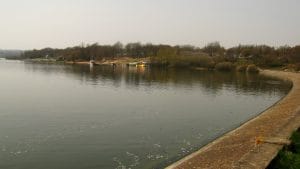
Heat pulls people towards water. Rivers, lakes, reservoirs — they all look irresistible when the temperature climbs into the thirties. But cold-water shock kills. According to reports from earlier in 2026, two teenagers are reported to have died in water incidents in and near Kent during previous heatwaves this year. Authorities are repeating their warnings loudly and clearly: open water in Kent is dangerous, whatever the thermometer says on the bank.
Kent’s Director of Public Health has advised residents, according to a statement from the authority, to “be prepared, stay cool, and remain hydrated,” with practical steps including closing curtains in sun-facing rooms and staying out of the midday sun.
—
Key Takeaways
- Kent faces highs of 29–32°C during a third heatwave of 2026, with amber heat-health alerts in place for the South East
- South East Water’s hosepipe ban covers more than 800,000 Kent customers from 3 July, with fines of up to £1,000 for breaches
- Open water poses a serious drowning risk during hot weather — authorities are urging people to stay away from rivers, lakes and reservoirs
What This Means for Kent Residents
Check whether your postcode falls under South East Water’s Temporary Use Ban before you touch a hosepipe or sprinkler — the fine really isn’t worth it. If you know someone elderly, living alone or managing an underlying health condition, check in on them during the hottest part of the day, chiefly between 11am and 3pm. For heat health advice and support, NHS 111 is available online or by phone, and the UKHSA recommends keeping rooms cool, drinking plenty of water and avoiding strenuous activity during peak heat hours.
Kent Braces for Third Heatwave of 2026 as Hosepipe Ban Hits 800,000 Customers Quiz
5 questions