
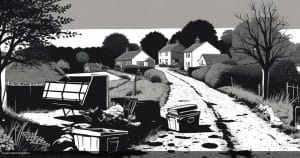
KCC leader Linden Kemkaran is bringing councils, enforcement agencies and other partners together to tackle nearly 23,000 illegal dumping incidents recorded across the county in 2024–25.
The Scale of the Problem
Nearly 23,000 fly-tipping incidents were recorded across Kent in 2024–25 — up around 2,000 on the year before. That figure alone tells you why KCC is convening what it says is the first conference of its kind the county has ever seen.
Incidents have risen year-on-year, though they’re still below the peak of roughly 25,000 recorded in 2020–21. Small comfort. Because the sheer volume of waste involved is the number that really stops you in your tracks: KCC disposed of 2,503 tonnes of fly-tipped material in 2024–25 alone, placing what official scrutiny documents describe as “considerable environmental, financial, and operational strain” on public services. That’s not bureaucratic boilerplate — that’s councils spending money on rubbish that should never have been dumped in the first place.
Why Friday’s Conference Matters
Linden Kemkaran, Leader of Kent County Council, said: “Fly-tipping is one of the issues residents tell us matters most. On this Friday we’re bringing partners together from across Kent to take stronger action and help create a cleaner, greener county.”
The 10 July event pulls together representatives from KCC, Kent’s district and borough councils, Kent Police, the Environment Agency, and landowner groups. And the reason that mix matters comes down to something frustratingly basic — responsibility for dealing with fly-tipping is split between tiers of local government. Borough and district councils collect fly-tipped waste from public spaces; KCC handles disposal. Two separate systems, one messy problem. Those coordination gaps have long hampered the county’s response, and closing them is precisely what the conference is designed to do.
Who Bears the Cost
It’s not just councils picking up the bill.
Farmers and private landowners across Kent face a particularly grim reality. Under current law, the duty to clear waste dumped on private land falls to the landowner — not the council. Which means paying out of their own pocket to remove hazardous materials including asbestos and toxic chemicals, waste that can threaten livestock, crops and nearby watercourses. Nobody’s idea of a Tuesday morning.
Council budgets take a battering too. Every pound spent shifting 2,503 tonnes of illegally dumped waste is a pound not going on highways, social care, or any of the other services Kent residents actually asked for.
A National Picture, a Local Crisis
Kent’s problems aren’t unique — but they’re acute. The House of Lords Environment and Climate Change Committee has called for an independent inquiry into waste crime, describing such offences as “endemic” across England. Critics in Kent argue that organised fly-tipping gangs are driving much of the increase, and that existing enforcement — fixed penalty notices, surveillance operations, joint agency action — hasn’t been enough to reverse the trend. There are also concerns that proposals to charge residents for disposing of certain building and DIY waste at household recycling centres could push more material into illegal dumping if the policy isn’t handled carefully. A reasonable worry, given the direction of travel.
What Residents Are Saying
Fly-tipping ranks consistently among residents’ top concerns in community surveys and neighbourhood policing feedback. Local hotspots see the same spots dumped on again and again, and public frustration centres on three things: how fast the mess gets cleared, whether enforcement is actually visible, and whether anyone is genuinely being caught and prosecuted. Data from platforms such as My Community Voice Kent reflects how persistently the issue surfaces in conversations between residents and their local councils. People are fed up. That much is clear.
—
Key Takeaways
- Kent recorded nearly 23,000 fly-tipping incidents in 2024–25, up around 2,000 on the previous year, though still below the 2020–21 peak of about 25,000
- KCC disposed of 2,503 tonnes of fly-tipped waste in 2024–25, placing financial and operational pressure on council budgets across the county
- The 10 July conference — described by KCC as the first of its kind in Kent — aims to strengthen coordination between councils, Kent Police, the Environment Agency, and landowner groups
What This Means for Kent Residents
If you spot fly-tipping in progress, Kent district and borough councils advise calling 101 rather than approaching offenders directly. Most Kent councils also operate online reporting forms for incidents discovered after the fact — reporting promptly helps councils prioritise clean-up and gives enforcement teams a better chance of identifying offenders. For residents on private land, farmers included, it’s worth contacting your district council for guidance on what support is available, because the legal and financial burden of clearing dumped waste — particularly hazardous materials — can be eye-watering. The 10 July conference won’t fix this overnight. But if it leads to faster reporting systems, more consistent enforcement, and better-joined-up working between the county’s many councils and agencies, residents across Kent could start to see a real difference on their doorstep.
Kent County Council to Hold First Countywide Fly-Tipping Conference on 10 July Quiz
5 questions