
A breakthrough treatment combination has demonstrated improved outcomes for patients with a specific type of stomach and oesophageal cancer, according to results from a major international clinical trial.
Scientists have announced significant progress in treating HER2-positive gastroesophageal adenocarcinoma — a chiefly aggressive form of stomach and oesophageal cancer. The phase 3 HERIZON-GEA-01 trial found that patients lived longer without their disease progressing when treated with a new drug combination.
The research compared zanidatamab plus chemotherapy against the current standard treatment of trastuzumab plus chemotherapy. Results showed the new combination extended progression-free survival — the time before cancer worsens or spreads.
The Treatment Breakthrough
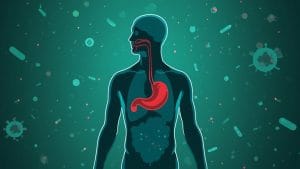
Zanidatamab represents a new class of cancer drugs designed to target HER2-positive cancers more effectively. HER2-positive gastroesophageal adenocarcinoma affects the stomach and the tube connecting the mouth to the stomach.
The trial also tested adding tislelizumab, an immunotherapy drug, to the zanidatamab combination. Both variations outperformed the existing standard treatment in preventing disease progression.
Gastroesophageal adenocarcinoma ranks among the most challenging cancers to treat. Current five-year survival rates remain low, making new treatment options essential for patients and families facing this diagnosis.
What the Numbers Show
The study represents one of the largest phase 3 trials in this cancer type. Progression-free survival improvements offer hope for patients who previously had limited treatment options beyond standard chemotherapy combinations.
But the research team hasn’t yet released detailed survival statistics or information about side effects. These details will prove critical for doctors deciding which patients might benefit most from the new treatment approach.
The trial results appeared in a major medical journal, indicating the research met rigorous scientific standards. Peer review ensures the methodology and conclusions can withstand expert scrutiny.
The Road to Treatment
New cancer drugs typically take years to reach patients after successful trials. Regulatory agencies must review safety and effectiveness data before approving treatments for routine use.
The pharmaceutical companies involved will likely submit applications to medicines regulators in multiple countries. The process involves detailed analysis of trial data, manufacturing standards, and post-market monitoring plans.
Cost considerations also affect how quickly new treatments become available through health services. Cancer drugs often carry high price tags, requiring health technology assessments to determine value for money.
Source: @NEJM
Key Takeaways
- Zanidatamab plus chemotherapy improved progression-free survival compared to current standard treatment for HER2-positive gastroesophageal adenocarcinoma
- The phase 3 HERIZON-GEA-01 trial tested the new drug combination in a large international study
- Results offer hope for patients with this aggressive form of stomach and oesophageal cancer, though regulatory approval will take time
What This Means for Kent Residents
Kent patients diagnosed with HER2-positive gastroesophageal adenocarcinoma should discuss these trial results with their oncology teams at local NHS trusts including East Kent Hospitals and Maidstone and Tunbridge Wells. While the new treatment isn’t yet available through the NHS, patients may be eligible for clinical trials or compassionate use programmes through cancer centres in London and Canterbury. Anyone experiencing persistent stomach pain, difficulty swallowing, or unexplained weight loss should contact their GP promptly, as early detection remains key for all gastroesophageal cancers regardless of treatment advances.