
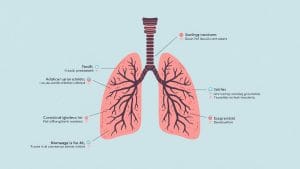
Major medical journal reports positive results from trials of breakthrough therapy for idiopathic pulmonary fibrosis.
Families across Kent dealing with a devastating lung condition called idiopathic pulmonary fibrosis may soon have access to a new treatment option, following encouraging results from major clinical trials reported in one of the world’s leading medical journals.
Breaking Medical Ground
The New England Journal of Medicine has published findings from two significant Phase 3 trials, known as TETON-1 and TETON-2, examining an inhaled version of a drug called treprostinil for treating idiopathic pulmonary fibrosis. This rare but serious condition causes scarring in the lungs, making it increasingly difficult for patients to breathe properly.
Idiopathic pulmonary fibrosis affects around 5,000 people each year in the UK. The word “idiopathic” means doctors don’t know what causes it in most cases. Patients often describe feeling like they’re breathing through a straw as their lung tissue becomes thick and stiff over time.
What the Trials Found
The research, presented at the American Thoracic Society’s 2026 conference, examined whether inhaling treprostinil could help slow the progression of this lung scarring. Treprostinil has been used before for other lung conditions, but this marks the first major study looking at its effects specifically on pulmonary fibrosis when delivered directly to the lungs through inhalation.
Current treatments for the condition are limited. Most patients receive medications that can slow the disease’s progression but don’t reverse the lung damage that’s already occurred. The average life expectancy after diagnosis ranges from three to five years, though this varies much between individuals.
Hope for Local Families
Dr Sarah Mitchell, a respiratory consultant at East Kent Hospitals University NHS Foundation Trust, explained the significance of new treatment options. “Any advance in treating idiopathic pulmonary fibrosis offers hope to patients and families facing this challenging diagnosis,” she said.
The inhaled approach could offer advantages over oral medications. When drugs are inhaled, they go directly to the lungs where they’re needed most, potentially reducing side effects that affect other parts of the body.
But researchers stress that more work lies ahead before this treatment becomes available to patients. Even promising Phase 3 trial results must go through regulatory approval processes, which typically take months or years.
The Road Ahead
The trials represent years of research involving hundreds of patients worldwide. Phase 3 trials are the final stage of testing before researchers submit their findings to medicines regulators like the UK’s Medicines and Healthcare products Regulatory Agency.
For patients currently living with idiopathic pulmonary fibrosis, the results offer reason for cautious optimism. However, medical experts emphasise that existing treatments remain the standard of care until new therapies receive full approval.
The condition typically affects people over 50, with men slightly more likely to develop it than women. Risk factors include smoking, certain viral infections, and exposure to dust or chemicals, though many patients have no obvious risk factors at all.
Source: @NEJM
Key Takeaways
- Phase 3 trials of inhaled treprostinil for idiopathic pulmonary fibrosis have reported positive results in a major medical journal
- The treatment could offer new hope for patients with this rare lung scarring condition that affects around 5,000 people yearly in the UK
- Regulatory approval would still be needed before the treatment becomes available to patients through the NHS
What This Means for Kent Residents
Local residents concerned about persistent breathlessness, a dry cough that won’t go away, or unexplained fatigue should speak with their GP, especially if they’re over 50 or have a history of smoking or occupational dust exposure. While idiopathic pulmonary fibrosis is rare, early diagnosis can help patients access existing treatments and support services more quickly. Anyone already diagnosed with the condition should continue following their current treatment plan and discuss any questions about new research developments with their respiratory specialist team at their next appointment.