
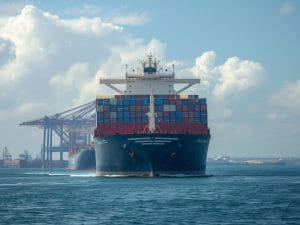
Office for National Statistics data shows 44% of importing firms and 39% of exporters reported increased costs in March 2026 compared with the previous year.
Nearly half of UK importing businesses faced higher costs in March 2026 compared with the same period a year earlier, according to new figures from the Office for National Statistics. The data reveals 44% of firms with 10 or more employees that imported goods reported increased importing costs year-on-year, as 39% of exporting businesses experienced similar cost rises.
The statistics capture the impact of significant tariff increases imposed on imports from most trading partners in early 2026, marking a sharp escalation in trade friction that has rippled through the UK economy.
The Scale of the Problem
These aren’t marginal increases affecting a small slice of the economy. The ONS survey covers businesses with 10 or more employees actively engaged in international trade – firms that form the backbone of Britain’s export and import operations.
The five percentage point difference between importers and exporters tells its own story. Import-dependent businesses bore the brunt of the cost increases, reflecting the direct impact of tariff changes on goods entering the UK market.
Global Trade Under Pressure
The UK figures mirror broader international trends. US tariff revenue jumped from an annual rate of £76 billion in the first quarter of 2025 to close to £259 billion by the third quarter, according to data from the US Senate Joint Economic Committee. Global container traffic declined 8.1% year-on-year in early 2026, signalling reduced international trade activity across major shipping routes.
UK businesses responded by front-loading imports in the first quarter of 2026, attempting to beat anticipated tariff increases. But this strategy only delayed the inevitable cost pressures that materialised as the year progressed.
Passing Costs Forward
Rather than absorbing the additional expenses, businesses have been passing tariff costs forward to consumers. This behaviour has contributed to broader inflationary pressures across the economy, with households ultimately bearing the burden of increased trade costs through higher retail prices.
The ONS data suggests this trend accelerated through March 2026, as firms struggled to maintain margins in the face of mounting international trade expenses.
Manufacturing and Logistics Hit Hardest
Kent’s economy, with its concentration of manufacturing, logistics, and distribution businesses, sits at the epicentre of these cost pressures. The county’s position as a gateway to European markets means local firms face particular exposure to trade disruption.
Small and medium enterprises across Kent that rely on international supply chains have encountered cash flow pressures from increased import costs, as exporters struggle with reduced competitiveness in overseas markets.
Source: @ONS
Key Takeaways
- 44% of UK importing businesses and 39% of exporters reported increased costs in March 2026 versus March 2025
- Trade tensions and tariff increases implemented in early 2026 drove the cost rises across international operations
- Global container traffic fell 8.1% year-on-year, indicating broader reduction in international trade activity
What This Means for Kent Residents
Kent households should expect continued upward pressure on prices for imported goods, as local businesses pass increased trade costs through to consumers. Residents working in the county’s logistics, manufacturing, and distribution sectors may face uncertainty as employers grapple with reduced margins and competitive pressures. Local businesses engaged in international trade should review their supply chains and consider diversifying suppliers to mitigate future cost increases, as exploring government support schemes designed to help firms adapt to the changing trade environment.
UK Businesses Face Sharp Rise in Export and Import Costs as Trade Tensions Bite Quiz
5 questions