
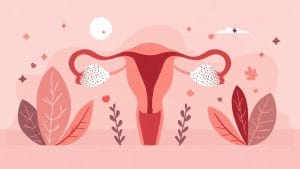
Women’s health specialists are urging drug makers to use a ‘reverse pitch’ strategy — leading with profit potential — to accelerate investment in treatments for endometriosis, osteoporosis, and autoimmune conditions.
The approach, flagged by STAT News, turns the usual funding conversation on its head. Rather than opening with patient need, researchers and clinicians are being advised to frame women’s health conditions as commercially attractive opportunities — the argument being that emphasising financial returns may unlock pharmaceutical investment that patient-centred appeals have repeatedly failed to secure.
Endometriosis (a condition where tissue similar to the womb lining grows outside the uterus), osteoporosis (thinning of the bones), and autoimmune diseases — which disproportionately affect women — have long been considered underfunded relative to their prevalence. The ‘reverse pitch’ concept suggests that reframing these conditions as profitable markets, rather than overlooked health burdens, could shift corporate priorities.
The strategy is not without tension. Critics of the pharmaceutical industry’s profit-driven model argue that tying research decisions to return on investment risks sidelining conditions that affect the most vulnerable or hardest-to-reach patient groups. But advocates of the approach say that working within commercial realities, rather than against them, may be the fastest route to new treatments reaching patients.
For women in Kent managing any of these conditions, the practical picture remains unchanged for now.
NHS England currently funds several treatments for endometriosis and osteoporosis through GP referral and specialist pathways. Women concerned about symptoms — including persistent pelvic pain, heavy periods, or unexplained fractures — are advised by the NHS to contact their GP in the first instance, or call NHS 111 for guidance on next steps.
Key information
- Endometriosis symptoms to discuss with a GP include chronic pelvic pain, painful periods, pain during sex, and difficulty conceiving
- Osteoporosis is often diagnosed after a fracture — ask your GP about a bone density scan (DEXA scan) if you have risk factors such as early menopause or long-term steroid use
- NHS 111 is available 24 hours a day for health advice when your GP surgery is closed
- For urgent mental health support, Samaritans can be reached any time on 116 123
Source: @statnews
Women's Health Experts Call for Profit-Led Push on Endometriosis and Bone Disease Treatments Quiz
5 questions