
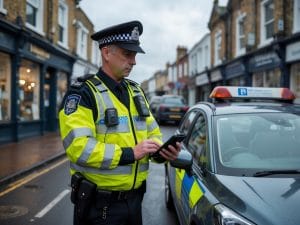
Folkestone & Hythe District Council has announced that parking enforcement officers across the district will be equipped with body worn cameras to improve evidence collection and enhance officer safety during their duties.
The sight of a parking enforcement officer approaching a car with a penalty charge notice in hand often triggers strong reactions from drivers. Now, those encounters in Folkestone & Hythe may be captured on camera.
Folkestone & Hythe District Council has decided to equip its parking enforcement officers with body worn cameras, marking a significant shift in how parking rules are enforced across the district’s towns and villages. The council announced the move via social media, stating the cameras will “help support evidence gathering and safety whilst they are working.”
The decision reflects a growing trend across English local authorities, where civil enforcement officers increasingly face verbal and physical aggression while carrying out their duties. From busy seafront car parks in Folkestone to market day enforcement in Hythe, officers now have an additional tool to protect themselves and document incidents.
Why the Council Says Cameras Are Needed
According to the council, the primary drivers behind the decision are improved evidence collection for parking enforcement incidents and enhanced safety for officers working across the district. The recorded footage will support investigations into incidents, including potential abuse or threats towards officers, and provide clearer evidence when penalty charge notices are disputed.
The cameras align with practices already adopted by other UK local authorities, where body worn video has become standard equipment for enforcement staff. Like police forces nationwide, councils report that visible cameras can act as a deterrent to aggressive behaviour while providing objective evidence when situations escalate.
The scheme covers the entire Folkestone & Hythe local authority area, where the council manages off-street parking and works with Kent County Council on elements of on-street parking enforcement. No changes to existing parking regulations or penalty charge levels accompany this measure – the focus is purely on enforcement practice and recording.
Privacy and Cost Concerns
Yet not everyone welcomes the arrival of more surveillance in public spaces. Civil liberties advocates often raise concerns about increased recording in town centres and car parks, particularly when policies about camera activation aren’t clearly defined or communicated to the public.
Privacy questions loom large. How long will footage be retained? Who can access recordings? What happens if cameras capture innocent bystanders or vulnerable individuals who may not fully understand they’re being recorded? The council must ensure compliance with UK data protection law and surveillance codes, but residents may worry about potential misuse.
There’s also the matter of cost-effectiveness. While the council hasn’t published figures for the body worn camera rollout, some residents may question whether the investment represents the best use of public funds. Could the money be better spent on increasing parking availability, improving road maintenance, or other frontline services?
How It Works in Practice
The cameras will be used overtly, with officers typically informing members of the public when recording begins. This usually happens when interactions become confrontational or potentially abusive, though emergency situations may require different protocols.
For drivers receiving or disputing penalty charge notices, video footage may now form part of the evidence considered by the council during informal challenges, formal representations, or appeals to the Traffic Penalty Tribunal. This could strengthen the council’s position in disputed cases but also provides clearer documentation of what actually occurred.
Other councils using similar systems report that cameras often improve the quality of officer-public interactions. Both enforcement staff and motorists tend to moderate their behaviour when they know encounters are being recorded.
Broader Context
Folkestone & Hythe’s adoption of body worn cameras comes amid ongoing scrutiny of parking policy across the district, where charges and enforcement practices have been subject to public and political debate The 114,400 residents across the district’s towns and rural areas have experienced various parking-related pressures, from tourist season congestion to high street accessibility.
Body worn video represents just one tool in the enforcement toolkit. The technology has become increasingly common across UK local government services following national adoption by police forces and guidance from the Information Commissioner’s Office on appropriate use.
But success depends heavily on implementation. Solid policies, proper training, and careful oversight determine whether cameras genuinely improve safety and evidence quality, or simply add another layer of bureaucracy to everyday interactions.
Key Takeaways
- Parking enforcement officers across Folkestone & Hythe will wear body cameras to improve evidence gathering and officer safety
- The council says footage will help investigate incidents and provide clearer evidence when penalty charges are disputed
- Privacy advocates raise concerns about increased surveillance and data protection, while some question the cost-effectiveness of the investment
What This Means for Folkestone & Hythe Residents
If you interact with parking enforcement officers in the district, you may now be recorded during encounters, especially if situations become confrontational. You have rights under UK data protection law to request access to footage of yourself through a subject access request to the council. The cameras are intended to make interactions safer and more professional for everyone involved, but it’s worth understanding when and why recording occurs.