
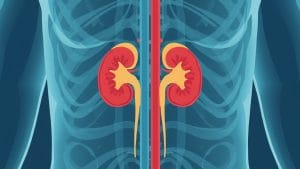
The NEJM has published an interim analysis from the RAINIER AIS-D08 trial on IgA nephropathy, a kidney condition that carries a significant lifetime risk of kidney failure even with current treatments.
IgA nephropathy (a condition in which the immune system deposits a protein called IgA in the kidneys, gradually damaging them) is associated with a progressive decline in kidney filtering function, according to the New England Journal of Medicine. That decline — measured using a marker called eGFR (estimated glomerular filtration rate, a blood test that shows how well the kidneys are cleaning waste from the body) — continues over time despite supportive therapies already in use.
The journal posted details of the RAINIER AIS-D08 trial in a Quick Take video format, which presents condensed research findings for clinicians and patients. The trial specifically examines whether new treatment approaches can slow or halt that decline in eGFR.
So why does this matter? Kidney failure is the point at which the kidneys can no longer sustain life without dialysis or a transplant — and the NEJM notes that people with IgA nephropathy carry a sizeable lifetime risk of reaching that stage.
An interim analysis of the ongoing trial has been published in the New England Journal of Medicine; the trial is expected to complete in 2028.
—
Anyone concerned about kidney health, changes in urination, unexplained swelling, or fatigue should speak to their GP in the first instance. NHS 111 is available 24 hours a day for urgent health queries that cannot wait for a GP appointment. In an emergency, call 999.
Key information
- NHS 111 — call 111 or use the online service for non-emergency health concerns
- Your GP — the right first contact for symptoms that may relate to kidney function, including swelling, fatigue or changes in urination
- Kidney Care UK helpline — 01420 541424, offering support and information for people living with kidney disease
Source: @NEJM