
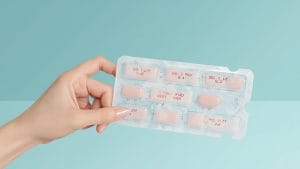
A study published in the BMJ has found that taking menopausal hormone therapy by mouth is associated with a greater risk of blood clots, while the patch form applied to the skin appears to carry no overall increased risk in this study’s analysis — though researchers note findings may vary across specific formulations and regimens.
Women taking oral menopausal hormone therapy (HRT) face a higher chance of developing a venous thromboembolism — a blood clot forming in a vein, most commonly in the leg or lung — compared with women who use no hormone therapy at all, according to research published by the BMJ. The raised risk was seen regardless of how long a woman had been taking the tablets or what dose she was on.
The picture looks different for transdermal therapy — patches, gels or sprays applied directly to the skin. According to this study, no overall increased clotting risk was observed with transdermal HRT — though researchers note that findings may vary across specific formulations and regimens.
The findings matter because HRT is widely used to manage symptoms of the menopause, including hot flushes, sleep problems and mood changes. The route by which the hormones enter the body — swallowed versus absorbed through the skin — appears to make a meaningful difference to clotting risk, the research suggests.
Women currently taking oral HRT should not stop their medication without speaking to a GP first. Any change to HRT type or dose is a decision to make with a clinician, who can weigh up individual risk factors.
Key information
- Speak to your GP if you have questions about your current HRT and whether a different form might suit you.
- Call NHS 111 if you’re concerned about symptoms that could indicate a blood clot, such as a swollen or painful leg, or sudden breathlessness.
- Call 999 if you have severe chest pain, difficulty breathing, or cough up blood — these may be signs of a pulmonary embolism and need immediate attention.
Source: @bmj_latest