
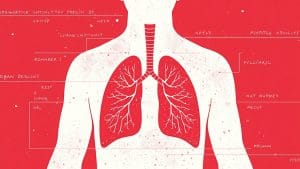
The NEJM has published a review of acute respiratory distress syndrome, outlining how the condition works and the treatments doctors use to manage it.
Acute respiratory distress syndrome — known as ARDS — is a severe lung condition in which fluid builds up in the lungs without a heart problem being the cause (noncardiogenic pulmonary oedema), leading to dangerously low oxygen levels in the blood (hypoxemia). The New England Journal of Medicine posted about the condition on social media, pointing followers to a newly published review article on the subject.
According to the NEJM, treatment focuses on two main priorities: addressing whatever underlying illness or injury triggered ARDS in the first place, and protecting the lungs from further damage during mechanical ventilation. That second point — avoiding ventilator-induced lung injury and fluid overload — is a central challenge in intensive care settings.
Two additional approaches can help in serious cases. Prone positioning, where patients are turned to lie face-down, can improve how well the lungs take in oxygen. ECMO — extracorporeal membrane oxygenation, a machine that does the work of the lungs outside the body — may also be used when other measures aren’t enough.
The NEJM is one of the world’s leading peer-reviewed medical journals. Its review articles summarise current evidence and clinical practice for doctors and researchers.
If you’re concerned about breathing difficulties, contact your GP or call NHS 111. In an emergency, call 999.
Source: @NEJM
What Is ARDS? The New England Journal of Medicine Explains a Serious Lung Condition Quiz
5 questions