
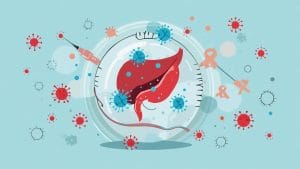
Nature Medicine has published new research into a vaccine approach aimed at intercepting pancreatic cancer before it becomes untreatable — one of the hardest cancers to catch early.
The journal Nature Medicine posted about the research on its official account, pointing to work exploring whether a vaccine could be used to target pancreatic cancer at an early stage. Pancreatic cancer (cancer of the large gland behind the stomach that helps digestion) has one of the lowest survival rates of any cancer, largely because it is rarely caught before it has spread.
The “intercepting” framing used by the journal suggests the research is focused on catching the disease during a window before full cancer develops — potentially using the body’s immune system to recognise and attack abnormal cells. But the specific trial data, patient numbers, and clinical findings behind the research are detailed in the journal itself, and no summary statistics have been independently verified for this report.
Pancreatic cancer kills around 10,000 people in the UK each year, according to NHS figures. It’s a disease where early detection makes an enormous difference to outcomes — yet symptoms such as jaundice (yellowing of the skin and eyes), unexplained weight loss, and upper abdominal pain are easy to attribute to other conditions.
Vaccine-based cancer treatments work differently from the vaccines most people know. Rather than preventing an infection, they train the immune system to identify specific proteins found on cancer cells. Research in this area is ongoing across several cancer types.
Kent residents with concerns about digestive symptoms or family history of pancreatic cancer should speak to their GP in the first instance. NHS 111 is available around the clock for general health queries.
Key information
- Speak to your GP if you have persistent upper abdominal pain, unexplained weight loss, or yellowing of the skin or eyes
- NHS 111 is available 24 hours a day, seven days a week for health advice
- Pancreatic Cancer UK offers support and information by phone on 0808 801 0707
Source: @NatureMedicine
Pancreatic Cancer Vaccine Research: What the Latest Science Shows Quiz
5 questions