
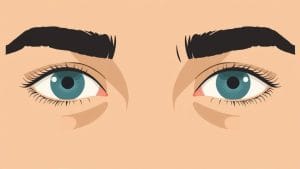
A 36-year-old man’s chance discovery of unequal pupils led to a clinical case published in the New England Journal of Medicine, highlighting a condition most people have never heard of.
The case centres on a man who visited an ophthalmology (eye specialist) emergency department after noticing his pupils were different sizes — a condition doctors call anisocoria. He had no pain, no blurred vision, and no other symptoms. The finding had been present for about a week before he sought help.
What made the case unusual was what clinicians observed during examination. One pupil showed segmental vermiform movements — small, worm-like contractions along sections of the iris (the coloured ring around the pupil) — rather than the smooth, even response normally seen when light hits the eye.
The New England Journal of Medicine (NEJM) published the case as part of its Images in Clinical Medicine series, which documents rare or visually striking presentations to help doctors worldwide recognise conditions they may rarely encounter in practice.
Anisocoria itself isn’t always a sign of something serious — a small difference in pupil size is common in the general population and usually harmless. But when it appears alongside abnormal pupil movement, it can point to conditions affecting the nerves or muscles that control the iris, and warrants proper examination by an eye specialist.
If you notice a sudden or marked difference in your pupil sizes, especially alongside headache, drooping eyelid, pain, or any change in vision, the NHS advises seeking urgent medical attention. Call NHS 111 for guidance, or go to your nearest emergency department. Dial 999 if symptoms come on suddenly and severely.
Key information
- Sudden anisocoria with other symptoms (headache, drooping eyelid, vision change) — call NHS 111 or attend A&E
- Eye emergencies — attend your nearest NHS ophthalmology emergency department or call 999 if severe
- NHS 111 is available 24 hours a day, seven days a week by phone or online
Source: @NEJM