
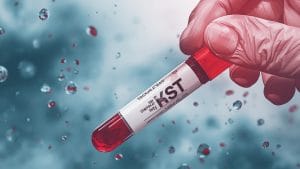
A widely promoted blood test designed to detect more than 50 types of cancer early has failed to achieve its primary goal in landmark research.
A much-anticipated blood test that promised to revolutionise cancer screening has disappointed researchers after failing to meet its main objective in a major clinical trial.
The test, which was designed to detect over 50 different types of cancer through a simple blood sample, had generated significant excitement in the medical community. But new results have confirmed the screening tool did not deliver on its primary promise.
The Science Behind the Setback
The blood test was part of a broader push towards multi-cancer early detection screening. These tests work by looking for specific biomarkers in blood that might indicate the presence of various cancers before symptoms appear.
Early detection remains one of the most effective ways to improve cancer survival rates. The NHS already runs successful screening programmes for breast, cervical and bowel cancers.
But this particular test failed to demonstrate the effectiveness researchers had hoped for in its primary endpoint. The clinical trial results represent a significant setback for this approach to cancer screening.
What the Results Show
Clinical trials use specific measurements called endpoints to judge whether a treatment or test works. Primary endpoints are the most important goals the researchers want to achieve.
The fact that this blood test missed its primary objective suggests it may not be ready for widespread clinical use. However, researchers often learn valuable lessons from trials that don’t meet their main goals.
Cancer Research UK continues to fund research into better screening methods. The charity has repeatedly emphasised that developing effective cancer screening tools takes time and rigorous testing.
The Bigger Picture
Multi-cancer screening tests remain an active area of research despite this setback. Several companies and research institutions are working on similar approaches.
The NHS Long Term Plan includes commitments to expand cancer screening programmes where evidence supports their effectiveness. Any new screening test must prove it saves lives and doesn’t cause unnecessary harm through false positives.
Current NHS cancer screening programmes have undergone years of research and refinement. They target specific cancers where early detection makes a clear difference to patient outcomes.
Source: @bmj_latest
Key Takeaways
- Blood test for 50+ cancer types failed its primary objective in clinical trial
- Multi-cancer screening remains an active area of medical research
- NHS continues to operate proven screening programmes for breast, cervical and bowel cancers
What This Means for Kent Residents
Kent residents should continue participating in existing NHS cancer screening programmes, which have proven track records of saving lives through early detection. The county’s residents can access breast screening for women aged 50-70, cervical screening for women aged 25-64, and bowel cancer screening for people aged 60-74 through their GP practices and local NHS services. Anyone with concerns about cancer symptoms should contact NHS 111 or speak to their GP rather than waiting for new screening technologies to become available.
Cancer Blood Test Falls Short in Major Clinical Trial Quiz
5 questions