
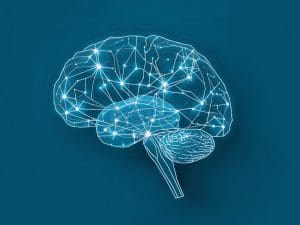
A five-day treatment protocol improved social communication skills and demonstrated a favourable safety profile in 30 children with autism spectrum disorder.
Researchers in China are reporting encouraging results from a small trial testing a new brain stimulation technique for children with autism. The study, published in BMJ research, examined whether accelerated continuous theta-burst stimulation could help improve social communication difficulties in youngsters with autism spectrum disorder.
The trial ran from July to December 2022 and involved 30 children who received the treatment targeting their left primary motor cortex. What’s especially striking about these results is that every single child completed the full five-day programme and attended follow-up assessments one month later.
The Treatment Protocol
The technique, known as accelerated continuous theta-burst stimulation or a-cTBS, delivers intensive brain stimulation sessions over just five days rather than spreading them across weeks or months. It’s a form of non-invasive repetitive transcranial magnetic stimulation that aims to trigger brain plasticity – essentially helping the brain form new connections.
Autism spectrum disorder affects how people communicate socially and often involves repetitive behaviours. Scientists believe it’s linked to disrupted balance between brain excitation and inhibition, as well as problems with synaptic plasticity – the brain’s ability to strengthen or weaken connections between nerve cells.
Safety and Side Effects
The safety profile appears reassuring. Mild adverse events occurred in 10 of the 30 participants – that’s about one in three children. The most common side effect was agitation, affecting six children, while three experienced scalp pain and one had nausea. All these effects resolved on their own without needing medical intervention.
On top of that, the primary outcome measured was improvement in parent-reported Social Responsiveness Scale scores over the one-month follow-up period. Parents noticed better social communication in their children after the treatment.
But there’s an important caveat here. This was an open-label trial, meaning everyone knew they were receiving active treatment rather than a dummy procedure. That makes it harder to separate genuine improvements from placebo effects.
Mixed Research Picture
The field of brain stimulation for autism shows mixed results. While this Chinese study targeted the left primary motor cortex with promising outcomes, a separate double-blind trial found no benefits when continuous theta-burst stimulation was applied to a different brain region – the left dorsolateral prefrontal cortex.
This highlights how location matters enormously in brain stimulation research. The same technique can produce different results depending on exactly where it’s applied.
Source: @bmj_latest
Key Takeaways
- All 30 children completed the five-day treatment and one-month follow-up with no serious adverse events
- One in three participants experienced mild side effects like agitation or scalp pain that resolved naturally
- Parents reported improved social communication skills, but the open-label design limits certainty about true effectiveness
What This Means for Kent Residents
Kent families affected by autism cannot currently access this experimental treatment through NHS services, as accelerated continuous theta-burst stimulation remains in the research phase and isn’t part of standard NHS care via Kent and Medway Integrated Care Board. Parents seeking autism support for their children should continue working with local child and adolescent mental health services and established interventions like speech therapy available through their GP. If families are interested in clinical trial opportunities, they should discuss eligibility with their family doctor who can provide referrals to appropriate research programmes as they become available in the UK.
New Brain Stimulation Technique Shows Promise for Children with Autism in Chinese Trial Quiz
5 questions