
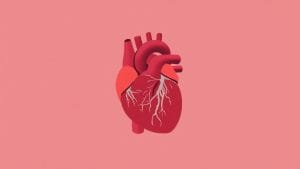
A major clinical trial published in the New England Journal of Medicine has found that atherosclerosis — a build-up of fatty deposits in the arteries — is far more widespread among adults than previously recognised, affecting people well before middle age.
The New England Journal of Medicine has published findings from the REACT trial, which examined the prevalence of silent atherosclerosis (the narrowing and hardening of arteries that causes no obvious symptoms) across the full span of adult life. An accompanying editorial, also published in the journal, calls the findings a prompt to act earlier on cardiovascular risk.
The trial’s focus is on atherosclerosis that goes undetected — no chest pain, no breathlessness, no warning signs that would typically send someone to their GP. That’s what makes the findings medically relevant: the disease can be progressing silently while a person feels entirely well.
On top of that, the research was shared at ESC Congress, the annual meeting of the European Society of Cardiology, one of the largest gatherings of heart specialists in the world.
The journal’s editorial, responding directly to the REACT data, is titled *Atherosclerosis across the Adult Lifespan — A Call to Act from REACT*, signalling that cardiologists see the findings as a reason to reconsider when preventive action should begin.
At the same time, the NHS advises that risk factors for cardiovascular disease include high blood pressure, high cholesterol, smoking, obesity, and inactivity. Anyone concerned about their heart health should speak to their GP rather than waiting for symptoms to appear.
Key information
- Speak to your GP if you have concerns about your cardiovascular risk, especially if you have a family history of heart disease
- NHS 111 is available 24 hours a day for health advice — call 111 or use the online service
- Heart UK, the cholesterol charity, runs a helpline at 0345 450 5988 for queries about cholesterol and artery health
Source: @NEJM
Silent Heart Disease Found Across All Adult Age Groups, Study Shows Quiz
5 questions