
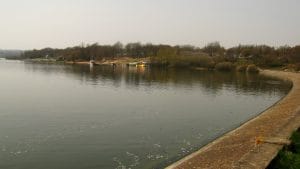
Around 22,000 homes across Kent were affected at the peak of summer supply disruptions, with South East Water blaming extreme heat, surging demand and a pumping station failure near Charing.
When the Taps Run Dry
Picture trying to make a cup of tea on a scorching summer afternoon in Whitstable — and nothing coming out of the tap. That was the reality for thousands of Kent households as South East Water struggled to keep up with demand during the heatwave. Around 3,000 customers in the Whitstable and Seasalter area faced low pressure or no water at all, with Herne Bay and Tankerton also caught up in the disruption.
It wasn’t just the coast. Residents in Charing, Challock and Molash found themselves without reliable supply for several days after a technical failure at a pumping station near Charing. At the worst point, around 800 households in those villages were affected.
The Numbers Behind the Pressure
The scale of the problem becomes clearer when you look at the usage figures. South East Water recorded around 670 million litres of drinking water consumed across its supply area on a single day — roughly 100 million litres above the average for that time of year. On another day, 660 million litres were pumped, again more than 100 million litres over the daily norm.
Put simply, people were using water faster than it could be treated, pumped and stored. By the height of the later June disruption, around 22,000 homes across Kent were experiencing supply problems, with about 18,000 customers still affected at one stage. Some storage reservoirs across the county reached what the company described as critical levels.
What South East Water Did About It
The company deployed tankers to inject water directly into the distribution network and set up bottled water stations for residents who had nothing coming through at home. By 19:00 BST on one Saturday, around 15,500 properties had had their supply reinstated — but roughly 500 homes were still without water that evening.
South East Water apologised to customers and said it was working to restore supplies as quickly as possible, according to the company’s public statements. Officials said they had planned for hot weather conditions, but that demand still outpaced how fast water could be treated and pumped to homes. Later in the summer, the company imposed temporary hosepipe restrictions across its Kent supply area to help manage ongoing demand pressure.
Why Kent Keeps Facing This Problem
This wasn’t a one-off. Areas including Ashford, Cranbrook, Ulcombe, Coxheath, Loose and Headcorn all experienced disruption during the same period. Parts of Kent are already exposed to seasonal water stress during hot, dry summers — so when demand spikes sharply, the network has less room to absorb the pressure.
The issue reached ministerial level. The water minister said she was in close communication with water companies, suggesting this had moved beyond a localised fault into a broader service concern.
—
Key Takeaways
- Around 22,000 Kent homes were affected at the peak of summer supply disruptions, with Whitstable, Seasalter, Herne Bay, Tankerton and villages near Charing among the worst-hit areas
- South East Water recorded up to 670 million litres used in a single day — about 100 million litres above average — as extreme heat drove demand beyond what the network could sustain
- A separate technical failure at a pumping station near Charing left around 800 households in Charing, Challock and Molash without reliable supply for several days
What This Means for Kent Residents
If you live in any of the affected areas — or anywhere across South East Water’s Kent network — it’s worth knowing that hosepipe restrictions were imposed during the disruption and could return during future hot spells. The company has bottled water stations as part of its contingency plan, so if your supply drops, check South East Water’s service updates for your postcode to find your nearest one. And if you want to stay ahead of any future issues, signing up for South East Water’s text and email alerts means you’ll hear about local outages before you find out the hard way at the kitchen tap.
Sources
- https://www.bbc.com/news/articles/c5yklq14g08o
- https://www.itv.com/news/meridian/2026-05-26/water-returns-to-villages-after-a-weekend-of-outages-in-record-hot-may
- https://www.bbc.co.uk/news/articles/crkppmkxgnpo
- https://www.bbc.co.uk/news/articles/cwy24ylz52po
- https://www.independent.co.uk/news/uk/home-news/water-shortage-kent-south-east-london-heatwave-b2985787.html
- https://news.sky.com/story/thousands-left-without-water-due-to-high-demand-after-heatwave-13548666
- https://www.bbc.com/news/articles/cj6gn5kwz4eo
- https://www.bbc.co.uk/news/articles/c8d8294qm4go
- https://www.theguardian.com/environment/2026/may/28/anger-kent-south-east-water-outages
- https://www.independent.co.uk/bulletin/news/kent-heatwave-south-east-water-supply-issues-b2984800.html
- https://www.southeastwater.co.uk/about/updates/news/temporary-hosepipe-restrictions-for-kent-customers/
- https://www.bbc.com/news/articles/cx21889zyrgo
- https://www.theguardian.com/environment/2026/jun/23/hosepipe-ban-south-east-water-heatwave-surge-demand